
10 hr 30 min
Kinabalu Park, Poring Hot Springs & Desa Cow Farm
UNESCO heritage park, thermal mineral pools, and mountain dairy farm in one scenic Sabah adventure
Reserve
Hand-picked by our editors — only the best 5 nature experiences from 42 reviewed.
Verified partners for every tour, free cancellation where available, and instant confirmation on every booking.
10 hr 30 min
UNESCO heritage park, thermal mineral pools, and mountain dairy farm in one scenic Sabah adventure
Reserve
11 hr
Explore Sabah's mountain landscapes, natural hot springs, and a picturesque dairy farm in one full-day tour.
Reserve
4 hr
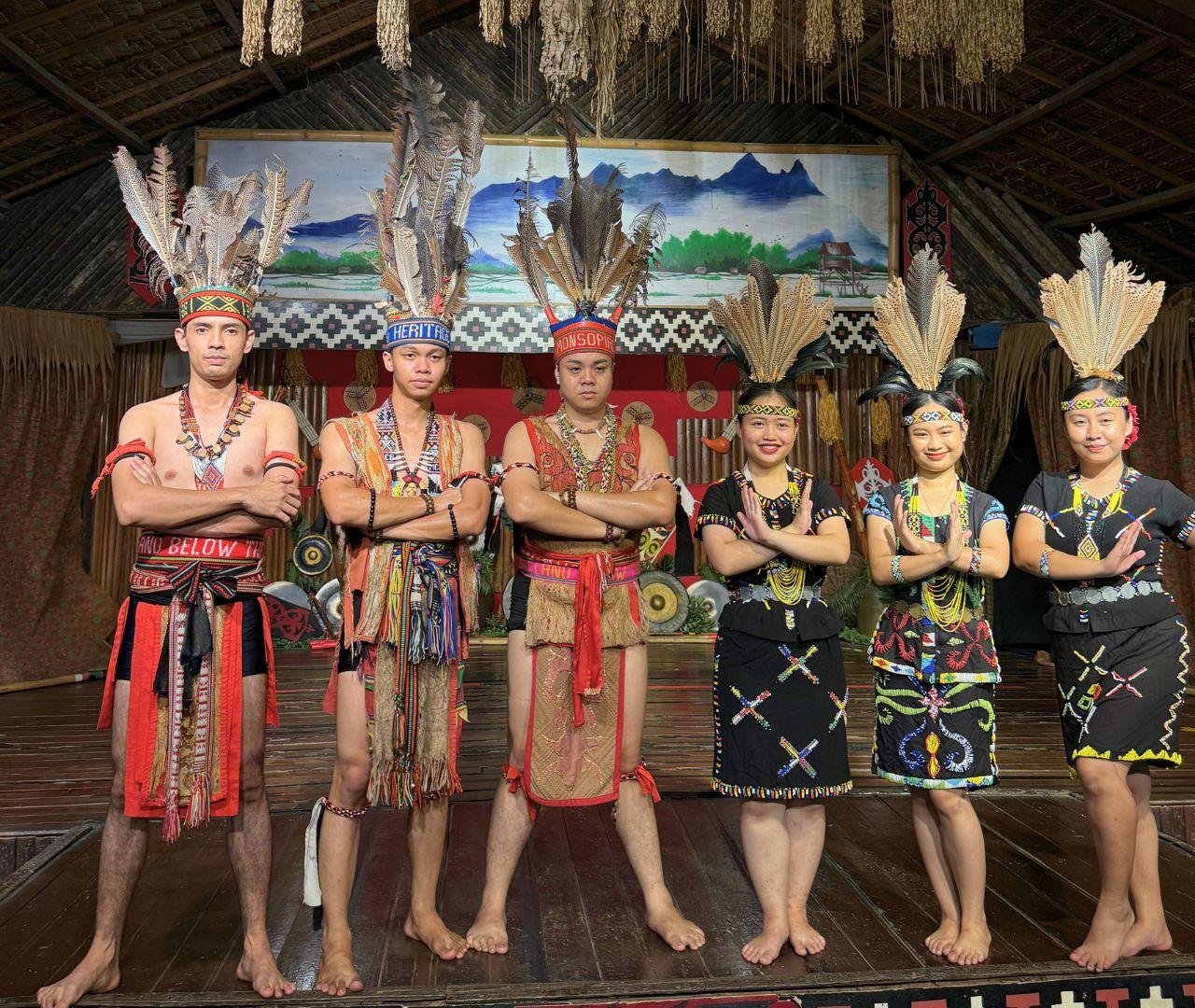
Discover the legacy of a legendary headhunter warrior and immerse yourself in Kadazan-Dusun traditions
ReservePrices from verified partners. Availability updates in real time at checkout. Free cancellation policies apply where shown.
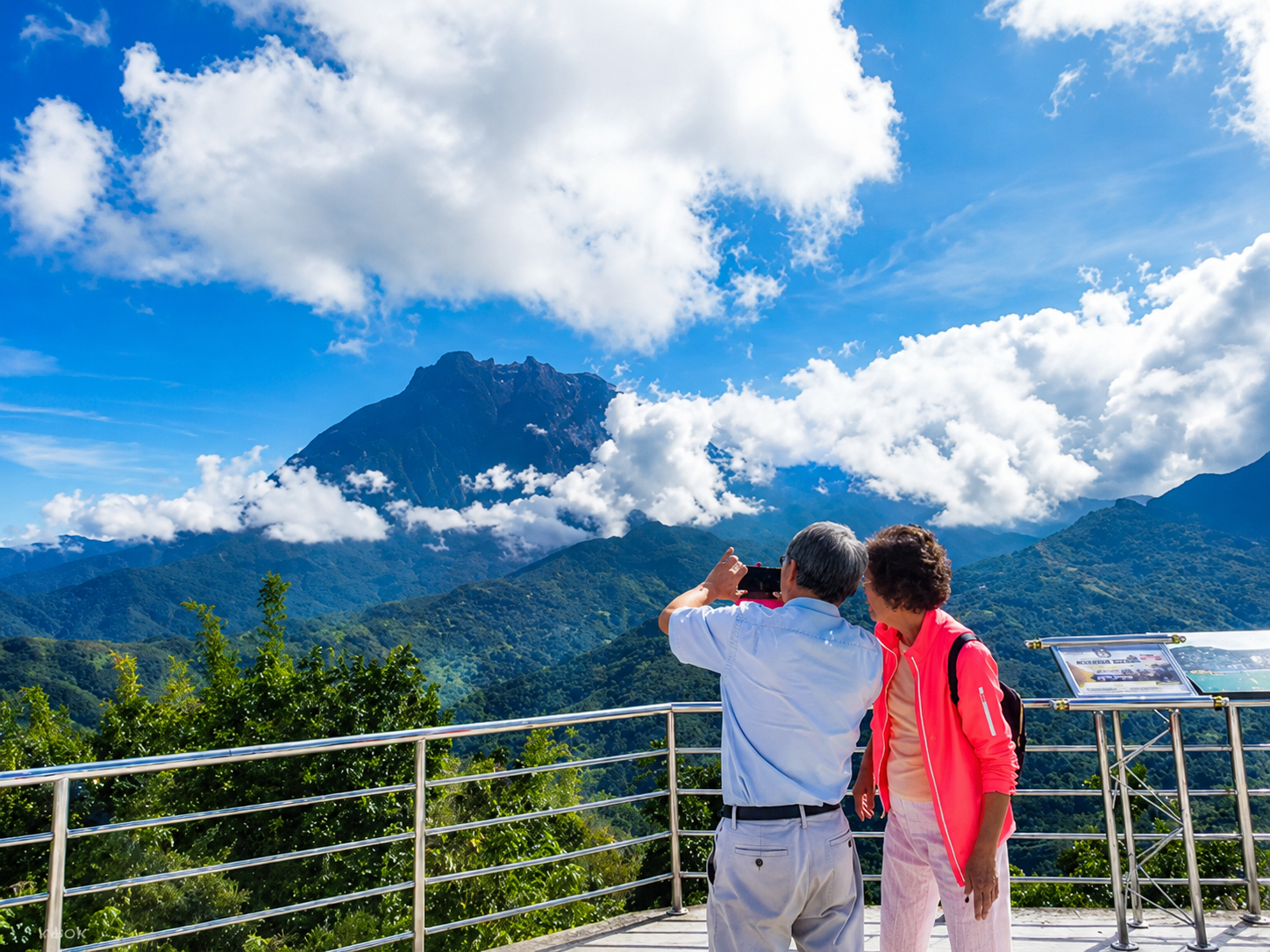
The landmarks, rooms, and views travelers on this tour remember — all visible on a single visit.
Home to rare orchids and pitcher plants unique to the region, including the famous Nepenthes rajah. This garden showcases high-altitude flora that thrives in the cooler temperatures of the park.
They complement each other; most visitors who do both find the primary forest nocturnal biodiversity of a kinabalu park night walk more rewarding, while the canopy suspension bridge offers superior elevation-based thrills. Securing kinabalu park night walk tickets allows for guided exploration of endemic insects and reptiles within this UNESCO heritage site.
| Feature | Top pick Kinabalu Night Walk | Poring Canopy Walk |
|---|---|---|
Primary Focus |
Nocturnal biodiversity observation | High-altitude forest views |
Accessibility |
Moderately difficult terrain | Established suspension bridges |
Wildlife Spotting Probability |
High for insects and amphibians | Low during public hours |
Physical Intensity |
Low to moderate walking | Moderate stair climbing |
Best Time of Day |
After sunset | Morning to early afternoon |
Availability of kinabalu park night walk tours |
Private guide required | Self-guided access |
| See tickets → |
Verdict: Opt for the kinabalu park night walk tour if you prioritize specialized wildlife spotting, or choose the canopy walkway for panoramic summit-area perspectives.
Choose your ticket, select your date, and reserve in under two minutes. Secure checkout handled by our verified partner.
Instant confirmation by email, with a mobile voucher you can save offline. No printing, no queuing at a collection desk.
Arrive at the entrance, show your voucher on your phone, and walk in. Most tickets include priority or skip-the-line access.
Practical details for your visit straight from our verified partners — hours, access, rules, and how to get there.
Wear sturdy, closed-toe hiking shoes suitable for uneven terrain. Layered clothing is essential as mountain temperatures drop significantly after sunset.
Keep belongings in a secure, water-resistant pack. Registration at the park office is required for all evening excursions to ensure visitor safety.
Bring a macro lens for capturing nocturnal insects and flora. Use a low-light compatible camera or smartphone to document the kinabalu park night walk experience without blinding wildlife.
The park headquarters features accessible paths, but many nature trails are rugged and steep. Consult with park rangers if you require a guided path suitable for lower mobility.
Children are welcome but must stay close to guides during any nocturnal activity. The kinabalu park night walk is an educational opportunity to teach youth about endemic biodiversity.
Dining options are available at the park headquarters. Bring a reusable water bottle and light snacks, as evening amenities may have limited hours.
Best time to go, insider tips, nearby landmarks, and the cancellation fine print — flip through to skim what matters to you.
Flexible, no hidden fees.
Conservation fees are strictly non-refundable once paid. Ensure your travel dates align with your permit before finalizing payment of the 50 MYR fee.
Kinabalu Park's 754 square kilometres of montane and lowland rainforest shelter more than 5,000 plant species, 326 bird species, and 100 mammal species, many of which emerge only after sunset. The park, Malaysia's first UNESCO World Heritage site, spans four climate zones from 200 to 4,095 metres above sea level, creating micro-habitats that shift with altitude. Nocturnal surveys conducted since the park's establishment in 1964 have documented slow lorises, flying squirrels, civet cats, and over 50 species of frogs whose calls layer into a polyphonic chorus once the day-active fauna retreat. Night walks follow lit and unlit trails within the park's lowland zone, typically departing between 19:00 and 20:00 when diurnal species have settled and crepuscular hunters begin to move. Guides carry red-filtered torches to preserve night vision and reduce disturbance; white light disrupts the retinal chemistry of nocturnal insects and amphibians. The one-to-two-hour routes thread through dipterocarp forest where emergent trees rise 40 metres, their canopies forming a closed vault that blocks ambient light from the valley below. On moonless nights, bioluminescent fungi glow pale green on fallen logs, and the forest floor becomes a theatre of phosphorescence. The kinabalu park night walk reveals behaviours invisible by day: stick insects sway to mimic wind-moved twigs, huntsman spiders stalk moths along bark, and Bornean tree frogs inflate vocal sacs to amplify territorial calls. Orchids in the Dendrobium and Bulbophyllum genera release fragrance after dark to attract nocturnal pollinators—hawk moths and fungus gnats whose feeding cycles are synchronized with floral nectar peaks. Guides trained by Sabah Parks naturalists identify species by call, silhouette, and eyeshine—the tapetum lucidum layer in mammalian eyes reflects torch beams in distinct colours, red for primates, green for carnivores. Evening temperatures in the lowland zone range from 18 to 22 degrees Celsius year-round, with relative humidity above 85 percent. Rain is frequent but brief; trails remain passable due to the forest's high drainage capacity and the compacted laterite soil. The park's night walk program operates within its broader conservation mandate, which includes habitat corridors linking Kinabalu with the Crocker Range to the west, ensuring genetic flow for wide-ranging species such as the clouded leopard and Malayan sun bear.
"On moonless nights, bioluminescent fungi glow pale green on fallen logs, and the forest floor becomes a theatre of phosphorescence."
A step-by-step walkthrough of the visit — what you'll see, how long each stage takes, and the details that matter.
You meet your guide at the park headquarters as dusk settles, the last light draining from the canopy above. The group, capped at twelve, receives a short briefing on torch etiquette and trail protocol before setting off along the Liwagu Trail, a two-kilometre loop that descends gently into the river valley. Within minutes the darkness thickens; your eyes adjust, and shapes resolve—bracket fungi on a buttress root, a walking stick frozen mid-step on a fern frond. Your guide pauses every fifty metres, scanning the understory with a red beam that picks out eyeshine in the leaf litter. A flying squirrel launches from a branch ten metres up, gliding silently across the trail gap before vanishing into the opposite canopy. Further on, a chorus of frogs erupts near a seep; the guide identifies three species by call alone, then locates a Bornean horned frog motionless on moss, its cryptic colouring rendering it invisible until the torch reveals its outline. The walk peaks at a viewing platform overlooking the Liwagu River, where the air cools and the soundscape shifts—nocturnal birds call from the ridge, and fruit bats cross the open corridor in loose flocks. On the return leg, the guide dims the torch to let your night vision sharpen; bioluminescent fungi glow faintly on a rotting log, and the forest resolves into layers of shadow and subtle movement, a world that exists in parallel to the daytime park.
Kinabalu Park is open daily from 08:00–17:00, though evening nature activities require prior registration. Please ensure you check in during these hours to secure your night excursion.
Yes, while standard entry covers the park, specific nocturnal activities usually require booking a guided tour through official channels.
Yes, all nocturnal trekking within the park must be conducted with a registered park guide or naturalist for safety and conservation reasons.
Families are welcome to join a kinabalu park night walk provided children are accompanied by a parent and follow all safety instructions.
The entrance fee is 50 MYR per foreign adult, which grants single entry to the park conservation area.
Essential items for a kinabalu park night walk include a headlamp, insect repellent, and proper hiking gear to navigate the montane forest.
Limited parking is available at the Kinabalu Park Headquarters; visitors are encouraged to arrive during the 08:00–10:00 window for the best spots.
You can combine your visit with the Mountain Garden or the Liwagu Trail during the day before your scheduled night walk.
The driest months from March to September offer the best visibility and lower chance of rain for your evening exploration.